 Engagement Rings
 Wedding Rings
 Fine Jewelry
 CUSTOM DESIGN
 Diamond
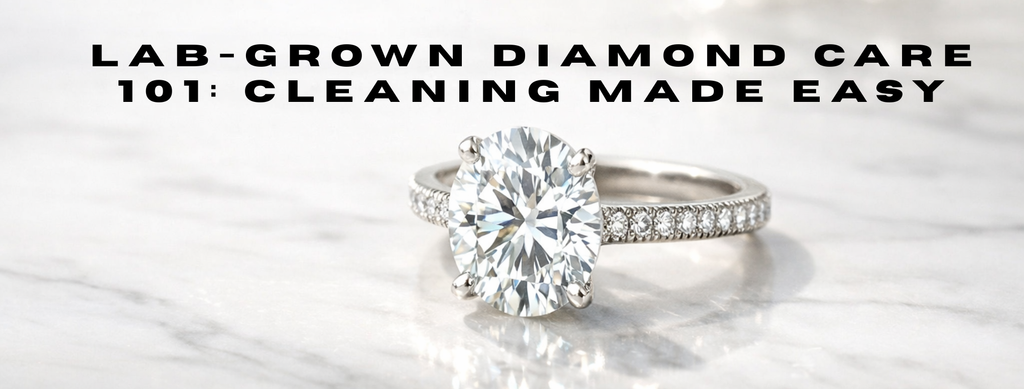
Lab-Grown Diamond Care 101: Cleaning Made Easy
1. Understanding why lab grown diamonds need proper cleaning
2. Safe and effective ways to clean lab grown diamonds at home
3. Cleaning methods and products you should avoid
4. How often you should clean lab grown diamond jewelry
5. Professional cleaning and certification-safe care
6. How cleaning affects sparkle, appearance, and long-term value
7. Common buyer mistakes when cleaning diamond rings
8. Storage, maintenance, and ethical jewelry care habits
9. Conclusion
10. FAQs
1. Understanding why lab grown diamonds need proper cleaning
Even though lab grown diamonds are just as durable as natural diamonds, they still collect everyday buildup. Lotions, soaps, cooking oils, dust, and even natural skin oils can create a thin film over the stone. I often see buyers worry that their diamond is losing sparkle, but most of the time, it simply needs a proper cleaning. Cleaning matters because a diamond’s brilliance depends on how well light passes through it. When the surface is cloudy, even the most beautiful diamond can look dull. Proper lab grown diamond care helps your jewelry stay bright, fresh, and luxurious for years.
2. Safe and effective ways to clean lab grown diamonds at home
The best way to clean lab grown diamond jewelry at home is also the simplest. I recommend a gentle routine that works for engagement rings, earrings, and pendants without damaging the setting. Start by soaking your jewelry in warm water mixed with mild dish soap for about 15–20 minutes. Then, use a soft toothbrush to gently clean around the diamond and under the setting where buildup hides. Rinse with clean water and pat dry with a lint-free cloth. This method is safe, beginner-friendly, and keeps your diamond sparkle restoration consistent without harsh chemicals.
3. Cleaning methods and products you should avoid
One of the biggest mistakes buyers make is using the wrong cleaning products. Even though diamonds are extremely hard, the metal and prongs holding them can be sensitive. Avoid bleach, chlorine, and harsh household cleaners because they can weaken gold and platinum over time. Toothpaste is another common myth because it is too abrasive and may scratch polished metal. Ultrasonic cleaners can be risky if your ring has loose prongs or delicate pavé stones. If you are unsure, I always suggest sticking with safe soap-and-water cleaning rather than experimenting.
4. How often you should clean lab grown diamond jewelry
How often you clean depends on how frequently you wear your jewelry. If you wear a lab grown engagement ring daily, a quick cleaning once a week keeps it looking its best. For earrings or necklaces worn occasionally, once a month is usually enough. Professional cleanings every six months are a great idea for long-term maintenance. Regular cleaning prevents buildup from becoming stubborn and helps you notice any loose settings early.
5. Professional cleaning and certification-safe care
Professional jewelers use specialized tools to clean diamonds safely while checking the setting for security. This is especially important for high-value pieces with certification from IGI or GIA. A certified lab grown diamond deserves the same care as a natural diamond. I recommend choosing jewelers who understand modern lab diamond settings and provide gentle steam or controlled ultrasonic cleaning when appropriate. Professional cleaning also helps maintain the polished look of the metal, not just the stone itself.
6. How cleaning affects sparkle, appearance, and long-term value
Cleaning is not just cosmetic, it directly impacts how your diamond looks in daily life. A clean diamond reflects light beautifully, while a dirty one appears smaller and less brilliant. From a value perspective, good maintenance keeps your jewelry looking premium and protects the setting from wear. While lab grown diamonds are not typically purchased for resale, keeping them in excellent condition preserves their luxury appeal and emotional value.

7. Common buyer mistakes when cleaning diamond rings
I often see buyers unintentionally damage their jewelry through simple mistakes. The most common include scrubbing too aggressively, using harsh chemicals, or cleaning over an open sink without protection. Always place a bowl or towel underneath your jewelry while cleaning. Never pull or press hard on prongs. And don’t assume that stronger cleaner means better shine. Gentle care is always the smartest approach for safe diamond cleaning tips.
8. Storage, maintenance, and ethical jewelry care habits
Proper cleaning is only part of the full care routine. Storing your jewelry correctly prevents scratches and keeps stones secure. I recommend keeping diamond pieces in separate soft pouches or lined jewelry boxes. Remove rings before heavy cleaning, gym workouts, swimming, or applying lotions. These habits reduce buildup and protect the setting. Choosing ethical diamond jewelry care also means respecting the craftsmanship and sustainability behind lab grown diamonds, which many buyers choose for their responsible sourcing.
9. Conclusion
Learning how to clean lab grown diamonds properly is one of the easiest ways to protect your jewelry’s sparkle and beauty. With gentle soap, warm water, and regular care, your diamond can look as brilliant as the day you bought it. In my experience, simple consistent maintenance is far better than harsh cleaning shortcuts. Treat your lab grown diamond with care, and it will remain a timeless luxury piece for life.
10. FAQs
1. Can lab grown diamonds be cleaned the same way as natural diamonds? Short answer:
Yes, lab grown diamonds require the exact same cleaning and care methods as natural diamonds.
2. What is the safest way to clean a lab grown diamond ring at home?
Warm water, mild dish soap, and a soft toothbrush are the safest and most effective method.
3.How often should I clean my lab grown engagement ring?
If worn daily, once a week is ideal to maintain sparkle.
4. Can I use ultrasonic cleaners for lab grown diamonds?
Sometimes, but only if the setting is secure. When unsure, stick with gentle home cleaning or professional care.
-
Posted in
how to clean lab grown diamonds, lab grown IGI diamonds, lab-created diamond jewelry, lab-grown diamonds, labdiamondpendant, labgrowndiamond, labgrowndiamondbracelet, labgrowndiamondjewelry, labgrowndiamonds, labgrowndiamondtrend, labgrownguide, LabGrownLuxury, labgrownring, lightweight studs, lightweightjewelry, luxe diamonds, Luxeornateluxruy jewelry