 Engagement Rings
 Wedding Rings
 Fine Jewelry
 CUSTOM DESIGN
 Diamond
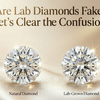
Are Lab Diamonds Fake? Let’s Clear the Confusion

- Introduction
- Are Lab Diamonds Fake or Real?
- What Are Lab-Grown Diamonds?
- Lab Diamonds vs Natural Diamonds
- Why People Think Lab Diamonds Are Fake
- Benefits of Lab-Grown Diamonds
- Are Lab Diamonds Worth Buying in 2026
- How to Identify Lab-Grown Diamonds
- Conclusion
- FAQs
1. Introduction
“Are lab diamonds fake?” is one of the most common questions in modern jewelry buying. With the rise of lab grown diamonds, confusion around their authenticity is increasing.
Lab grown diamonds real or fake debate exists because many buyers are unaware of how these diamonds are created. This blog clears the confusion and explains everything you need to know.
2. Are Lab Diamonds Fake or Real?
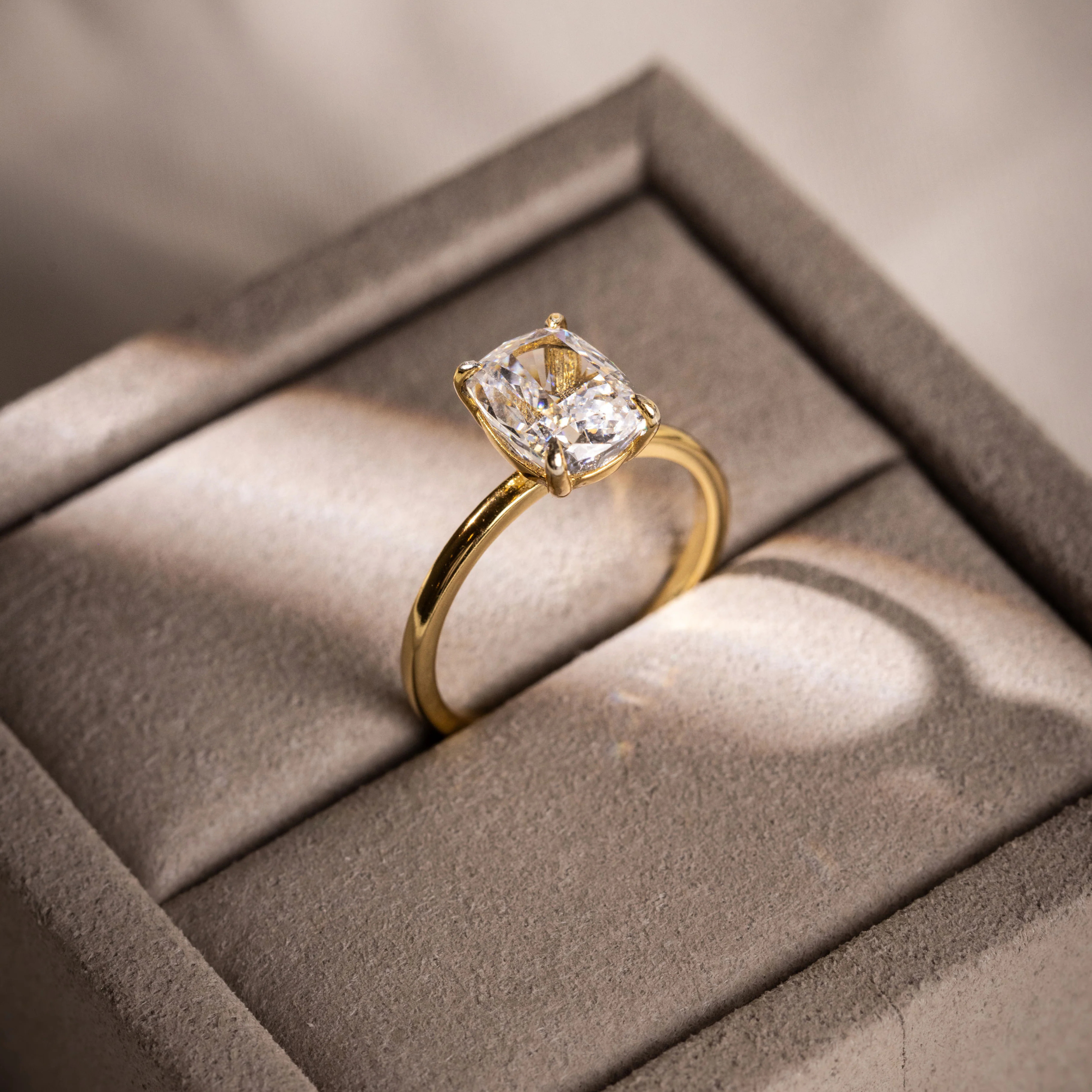
Lab grown diamonds are NOT fake. They are real diamonds with the same physical, chemical, and optical properties as natural diamonds.
The only difference is their origin. Natural diamonds are formed in the earth, while lab diamonds are created in controlled environments.
Lab diamonds vs real diamonds comparison confirms that both are identical in structure and appearance.
3. What Are Lab-Grown Diamonds?
Lab-grown diamonds are created using advanced technology that replicates natural diamond formation. Two main methods are used:
• HPHT (High Pressure High Temperature)
• CVD (Chemical Vapor Deposition)
These methods produce real diamonds, not imitations. Lab created diamonds truth is that they are chemically identical to mined diamonds.
4. Lab Diamonds vs Natural Diamonds
Lab grown vs natural diamonds difference is mainly in origin and price. Visually and chemically, they are the same.
Key comparison:
• Same hardness (10 on Mohs scale)
• Same sparkle and brilliance
• Same durability
• Different formation process
Lab diamonds vs real diamonds comparison shows no visible difference without specialized equipment.
5. Why People Think Lab Diamonds Are Fake
Many people confuse lab diamonds with imitation stones like cubic zirconia or moissanite. However, these are not real diamonds.
Reasons for confusion:
• lack of awareness
• lower price compared to natural diamonds
• marketing myths
• confusion with synthetic jewelry
Understanding lab created diamonds truth helps eliminate these misconceptions.
6. Benefits of Lab-Grown Diamonds
Lab diamond benefits and facts make them a popular choice in 2026.
Key advantages:
• more affordable than natural diamonds
• ethical and conflict-free
• eco-friendly option
• same brilliance and quality
• larger size for same budget
Affordable luxury diamond jewelry trend is driving demand for lab diamonds.
7. Are Lab Diamonds Worth Buying in 2026
Are lab grown diamonds worth it 2026? The answer is YES for most buyers.
Modern consumers prefer value, sustainability, and customization, all of which lab diamonds offer. Lab diamond buying guide suggests they are ideal for engagement rings and daily wear jewelry.
Lab grown diamond market trends show strong growth in 2026.
8. How to Identify Lab Grown Diamonds
Lab diamonds cannot be identified visually. Only certification and advanced tools can distinguish them.
Look for:
• IGI or GIA certification
• laser inscription on diamond
• grading report
• trusted seller
Certified diamonds ensure transparency and quality assurance.
9. Conclusion
Lab diamonds are not fake—they are real diamonds created using advanced technology. Understanding the difference between lab grown vs natural diamonds helps buyers make informed decisions.
Lab diamond benefits and facts clearly show why they are becoming the future of luxury jewelry. In 2026, lab-grown diamonds are one of the smartest and most popular choices.
10. FAQs
Are lab diamonds considered real diamonds?
Yes, lab-grown diamonds are 100% real diamonds.
Can you tell difference between lab and natural diamonds?
No, not without specialized equipment.
Are lab diamonds cheaper?
Yes, they are more affordable than natural diamonds.
Do lab diamonds last forever?
Yes, they have the same durability as natural diamonds.
Are lab diamonds good for engagement rings?
Yes, they are a popular choice in 2026.